Toilet Repairs in Rothwell
Most cistern faults come down to three small parts: an inlet valve, an outlet valve and a handful of rubber seals. Rothwell Plumbing Services handles the toilet repairs Rothwell households ring about every week, and every job is done by a licensed plumber.
If we're late, $100 comes off your bill

- Licensed and InsuredEvery job done by a licensed plumber. QBCC No: 15024607
- Fixed Quote FirstFlat-rate pricing, agreed before any work starts
- Lifetime Labour WarrantyBacked by our Fix-It-or-It's-Free guarantee (T&Cs apply)
- $0 Call-Out FeesNo extra charge for nights, weekends or public holidays
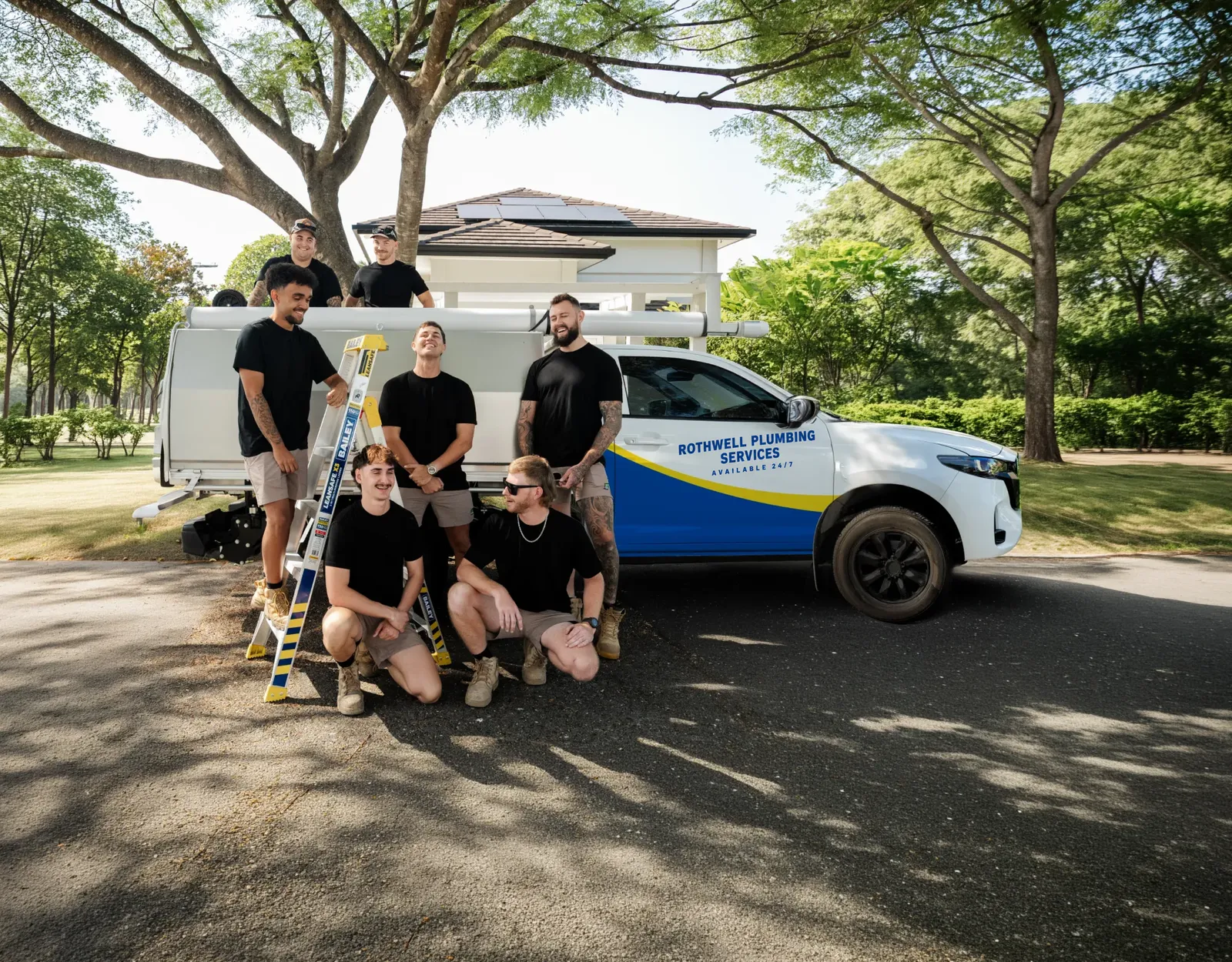
A loo that runs, weeps or fills at a crawl rarely needs a whole new suite. Usually one part has worn. We find it, quote it flat-rate, and the flush behaves again.
Toilets share their plumbing with the basins, tubs and outdoor taps on our tap and toilet plumbing list, while dripping mixers get their own answers on the tap repairs page.
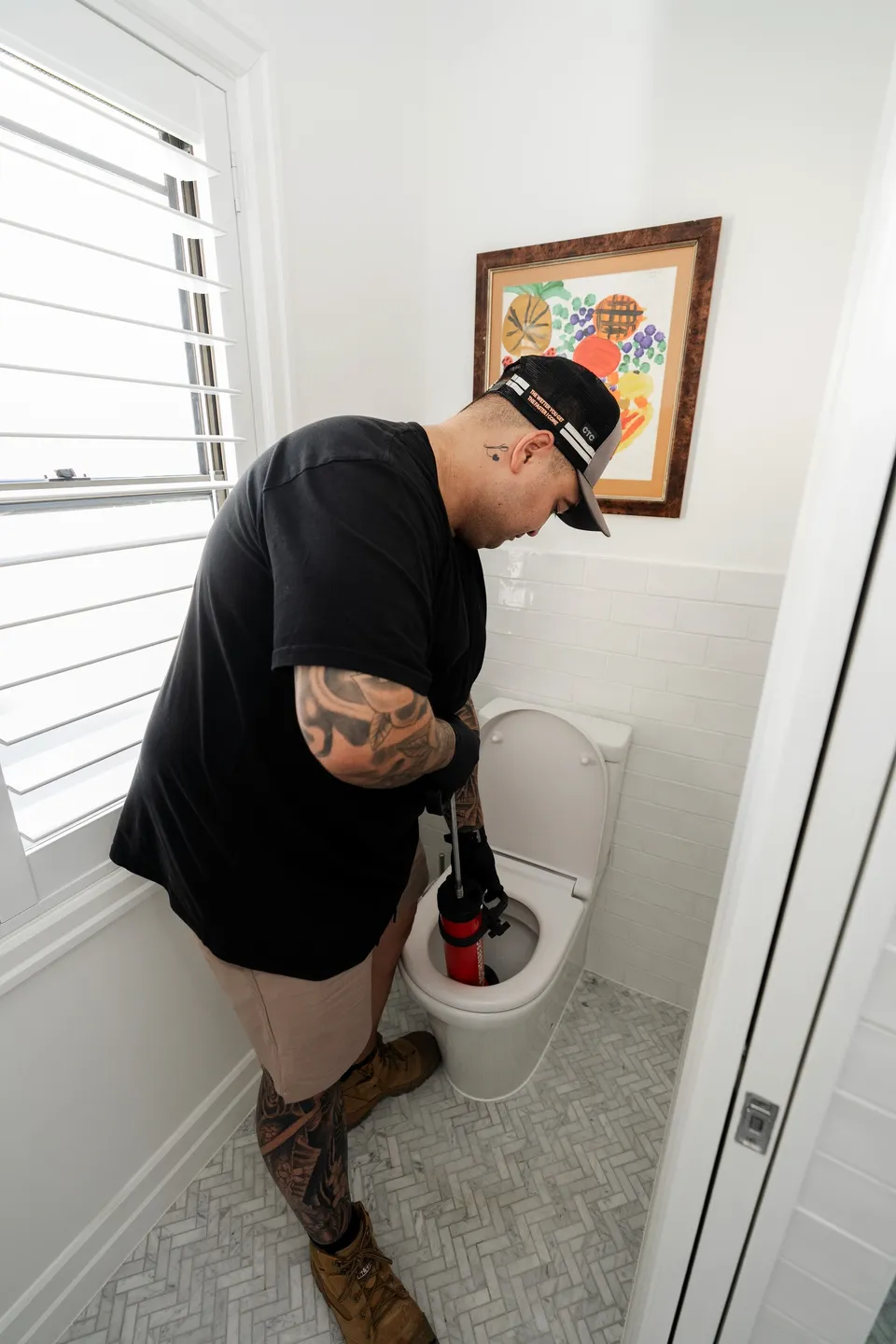
Running, Leaking and Slow-Filling Cisterns
Nearly every cistern fault traces back to the inlet valve, the outlet valve or a seal, and each part brings its own symptom.
Inlet valve
it refills the cistern after a flush and shuts off once the float reaches its set level. Wear or scale inside it means a slow fill, a constant drip, or a fill that never ends.
Outlet valve
it holds the stored water until you press the flush button. A worn washer lets water slip past into the pan, so the cistern keeps topping itself up and the loo sounds like it never rests.
Float
it rides the water and sets the level. Set high, water pours down the overflow tube; set low, the flush turns weak.
Flushes that come out half-hearted usually mean a cistern filled short of the mark, scale clogging the rinse holes under the rim, or a flush mechanism that sticks partway. A cistern that will not fill at all is typically a worn inlet valve, a float riding low, or a supply tap only partly open.
For the full walk-through on a runner, our toilet keeps running guide goes deeper.

What Affects the Cost of a Toilet Repair
Three things set the price: the failed part, the state of the porcelain, and the room we have around the cistern and its stop tap. The fixed quote follows once we've seen the job, before any work starts.
Repeat visits change the maths. A loo on its third fix in a year can cost less to replace than to keep patching, and we weigh that with you plainly, one job at a time.
A fracture in the porcelain is where repairing stops. No washer swap holds water in a broken body, so a cracked pan or cistern is replaced, not patched.
Any replacement pan or cistern carries a required certification mark and a water-efficiency rating before a licensed plumber may legally install it. Our toilet installation page covers the swap.
Toilets Around the Aged Care Facilities
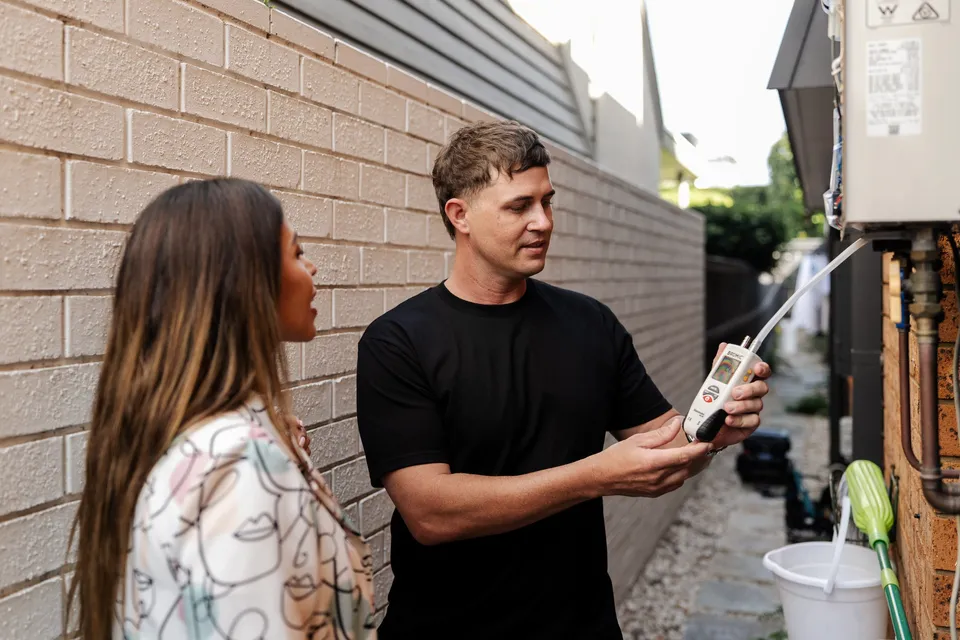
Around Blue Care Rothwell, the residential aged care facility mapped inside the suburb, dozens of small units each carry their own cistern, often plumbed in the same era and now ageing together. A trickle past one worn outlet washer can run for weeks before anyone spots it on the water bill.
Plenty of the brick homes along Anzac Avenue and Morris Road date from the 1960s to the 1980s, so many of their cisterns are now well past their first decade.
The suburb skews toward that crowd too: at the last census the median age here sat at 43. Plenty of households include someone who hears the loo running but should not be up a ladder lifting cistern lids.
Rentals carry a clear duty either way. The owner or manager keeps the place maintained, and the tenant passes on faults as soon as they appear.
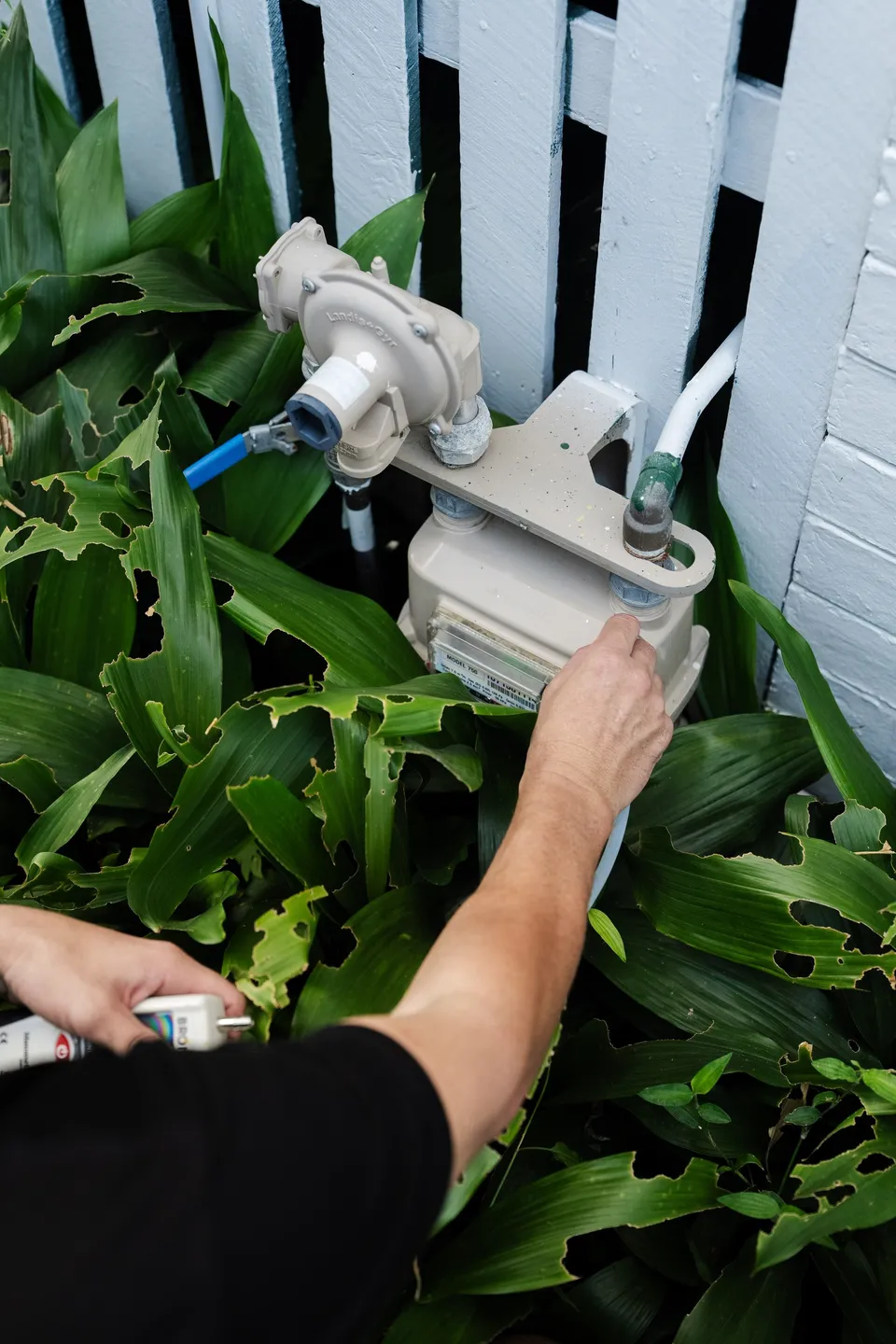
Damp Floor Around a Toilet
A leaking loo shows itself in three places, and each one points back to a specific part.
Water on the floor at the base
the pan connector, the rubber around it, or a fracture in the pan itself.
Damp under the cistern
the small stop tap on the supply line, or the braided hose above it.
Wet porcelain linking cistern to pan
the joining seal has gone.
A sewer smell is its own clue. The rubbers sealing that joint can perish or shift, letting drain air back indoors, so we check the connector and its rubbers before treating anything else.
One bill note worth knowing: Unitywater's concealed leak adjustment does not cover the water a running cistern wastes, so that loss stays on your account.
Cistern Washers and the Licence Line
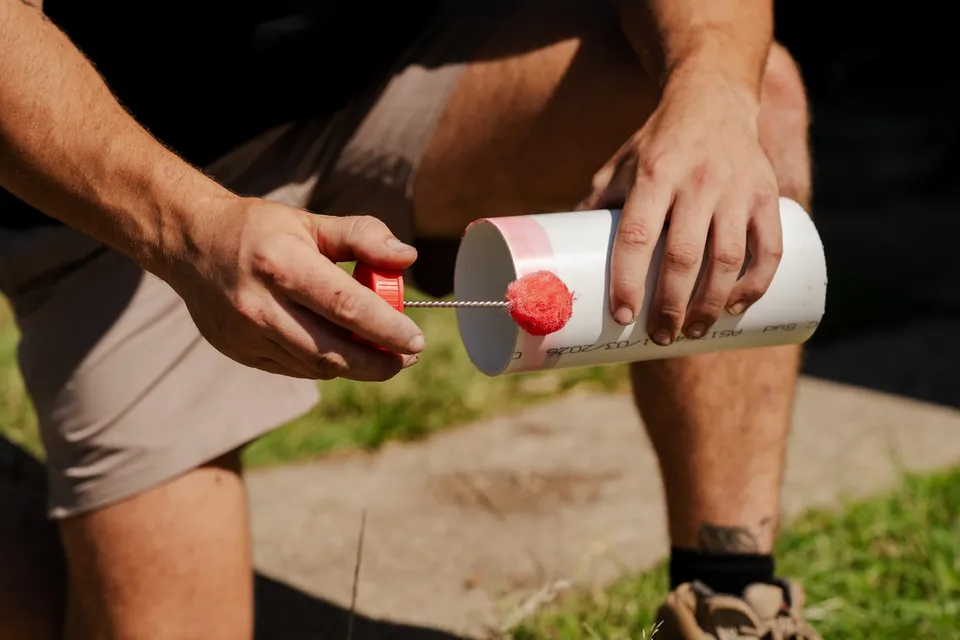
QBCC rules treat just three cistern parts as unregulated work: the float valve washer, the drop valve washer and the suction cup rubber. A capable householder may swap those three, provided the finished job meets the required standards.
Every other loo repair is minor work, which a QBCC licensee carries out with no permit and no Form 4. Seals, pan connectors, buttons and cistern replacements all sit on the licensed side of that line.
Rentals put a broken loo first in the queue. A toilet that stops flushing counts as an urgent repair under Queensland tenancy law, so it jumps ahead of the cosmetic jobs.
How a Toilet Repair Visit Runs
- 1

Describe the problem
Phone (07) 3523 7121 or fill in the form with what you're seeing in Rothwell. The more we know, the better we can prepare.
- 2

Test the cistern on the spot
We lift the lid and run a full fill-and-flush cycle, watching the valve set, the float and the outlet washer at work, so you know which part failed before a tool comes out.
- 3
Agree on the price
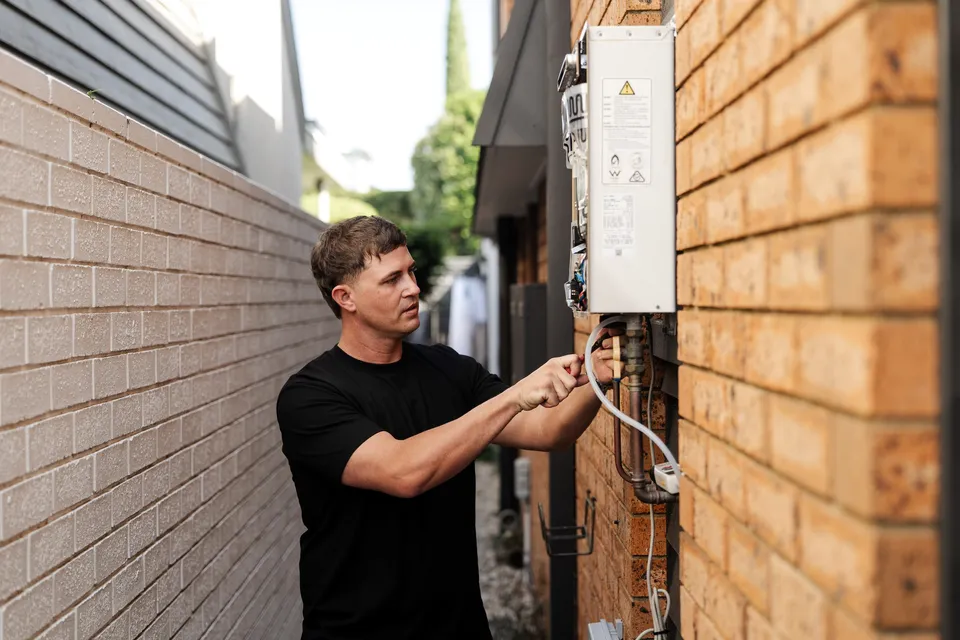
A fixed quote comes before any work starts: flat-rate pricing, no hidden fees, and your go-ahead first.
- 4

Pay on completion
Card or EFTPOS on site when everything's working, or ask us about Fix now, pay later.
Plumbing job in Rothwell?
$0 call-out fees, available 24/7, and same-day where we can.
Common Toilet Questions
Call (07) 3523 7121What usually goes wrong inside a toilet cistern?
Three parts cover most of it: the inlet valve that refills the cistern, the outlet valve that holds the water back, and the seals between moving surfaces. Each brings its own symptom: slow or endless filling, a loo that runs on, or an outright leak.
Why is my toilet leaking around the base in Rothwell?
Water pooling at the base points to the joint under the pan, its rubber, or a fracture in the porcelain. Damp on the underside of the cistern means the seal joining the two has failed. A plumber names the part within minutes on site.
Why does my toilet smell like sewage?
A sewer smell from the loo usually means the rubbers sealing the pan-to-drain joint have perished or moved. A licensed plumber checks the connector and reseals it. Unitywater looks after the sewer main past your boundary.
Can I fix my own leaking toilet, or is it licensed work?
Yes, but only three parts: the float valve washer, the drop valve washer or the suction cup rubber, all on the QBCC's unregulated list. The finished work must still meet the standards. Every other loo repair is minor work for a licensed plumber.
Should I repair or replace an old toilet?
Repair it while the porcelain is intact and the fault is one worn valve or seal. Replace the suite when a fracture runs through the pan or cistern, or when fixes keep repeating and a new loo costs less over time.

Ring Us About Your ToiletWe'll call you back.
The phone is the shortest path to a quiet cistern.
Ring (07) 3523 7121 and tell us what's wrong. You get $0 call-out fees, a fixed quote before any work starts and same-day where we can, 7 days a week.
To claim your $0 call-out fee, call (07) 3523 7121 today.